Category: Nichiren
-
Three Revolutionary Ideas from a 13th-Century Buddhist Monk About Human Potential
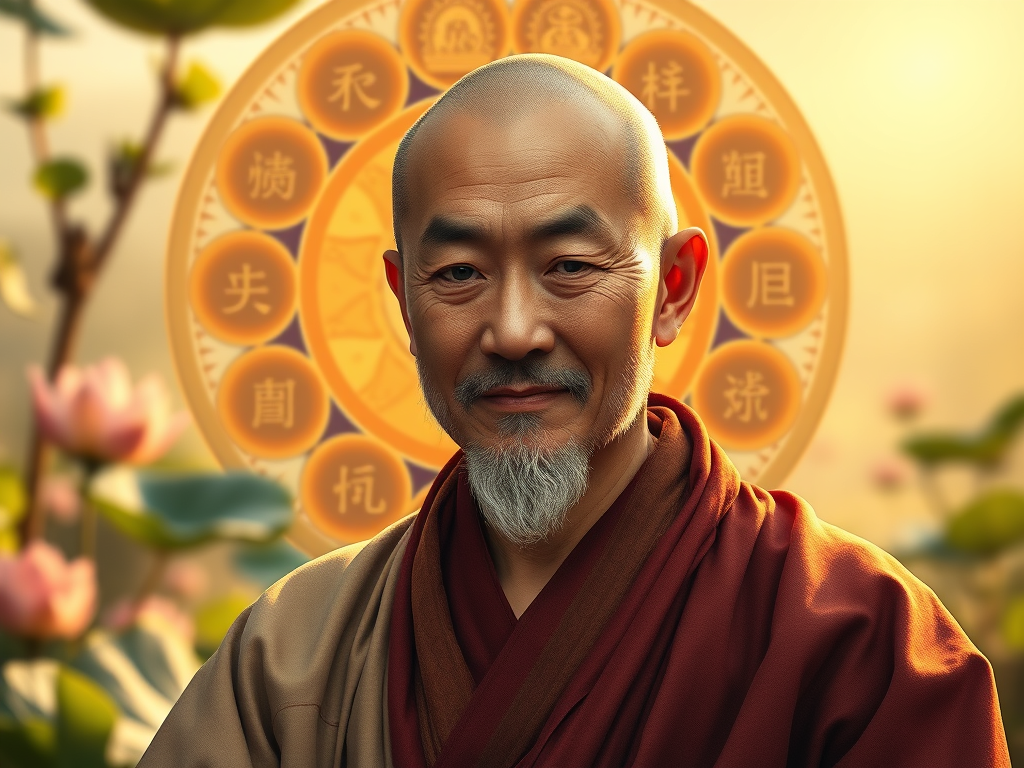
Introduction: The Challenge of Unlocking Our Full Potential In our daily lives, we constantly fall into the habit of placing limiting labels on people, including ourselves. We categorize others as “good” or “bad,” “smart” or “stupid,” or decide that certain individuals are simply lost causes, incapable of meaningful change. This tendency to see human potential…
-
Nichiren’s Identity and the Role of His Disciples

Date: August 31, 2025 Subject: Analysis of Nichiren’s Treatise “The True Aspect of All Phenomena” and its Implications for the Identity and Role of His Disciples Key Sources: Excerpts from “Nichiren’s Identity and Disciples’ Role: The Votary and the Vow: An Analysis of Nichiren’s Treatise on the True Aspect of All Phenomena” I. Executive Summary…
-
Nichiren’s Philosophy of Language in the Lotus Sutra

I. Introduction: The Living Words of the Buddha Nichiren, the 13th-century Japanese Buddhist priest, fundamentally re-envisioned the relationship between the practitioner, the Buddha, and the sacred text. His philosophy centers on the assertion that the written word of the Lotus Sutra is not merely a metaphor or a historical record, but a “dynamic, living manifestation…
-
The Doctrine of Hōbō (Slander of the Law) in Nichiren Buddhism

Date: August 27, 2025 Subject: An In-Depth Analysis of Hōbō: The Doctrine of Slander of the Law in the Thought of Nichiren Daishonin I. Executive Summary This briefing document provides a detailed review of Hōbō, or “slander of the Law,” a foundational and controversial doctrine in Nichiren Buddhism. Originating with Nichiren Daishonin (1222–1282) during Japan’s…
-
Nichiren’s Path to Enlightenment

This briefing document provides a comprehensive review of key themes and essential facts from the provided source, “Nichiren’s Path to Enlightenment,” focusing on the transformative power of consistent individual action within a collective context. I. Introduction: The Transformative Power of Persistent Individual and Collective Action The core message of Nichiren’s philosophy, particularly as articulated in…
-
Slander of the True Dharma (Hōbō) in Nichiren Buddhism

This briefing document analyzes the concept of “slander of the True Dharma” (hōbō) as a cornerstone of Nichiren’s teachings, drawing on the provided source material. It explores the multifaceted nature of slander, its historical and doctrinal context, karmic consequences, the paradox of compassionate condemnation, and its modern interpretations. Executive Summary The doctrine of hōbō is…
-
Nichiren Buddhist Practice: A Detailed Briefing

This briefing document reviews the core tenets and essential practices of Nichiren Buddhism as outlined in the provided sources, focusing on Nichiren’s specific directions for practitioners in the Latter Day of the Law. I. Main Themes and Most Important Ideas The central theme running through Nichiren’s instructions is the primacy of Nam-myoho-renge-kyo as the sole…
-
Devadatta’s Enlightenment in the Lotus Sutra and Nichiren’s Philosophy
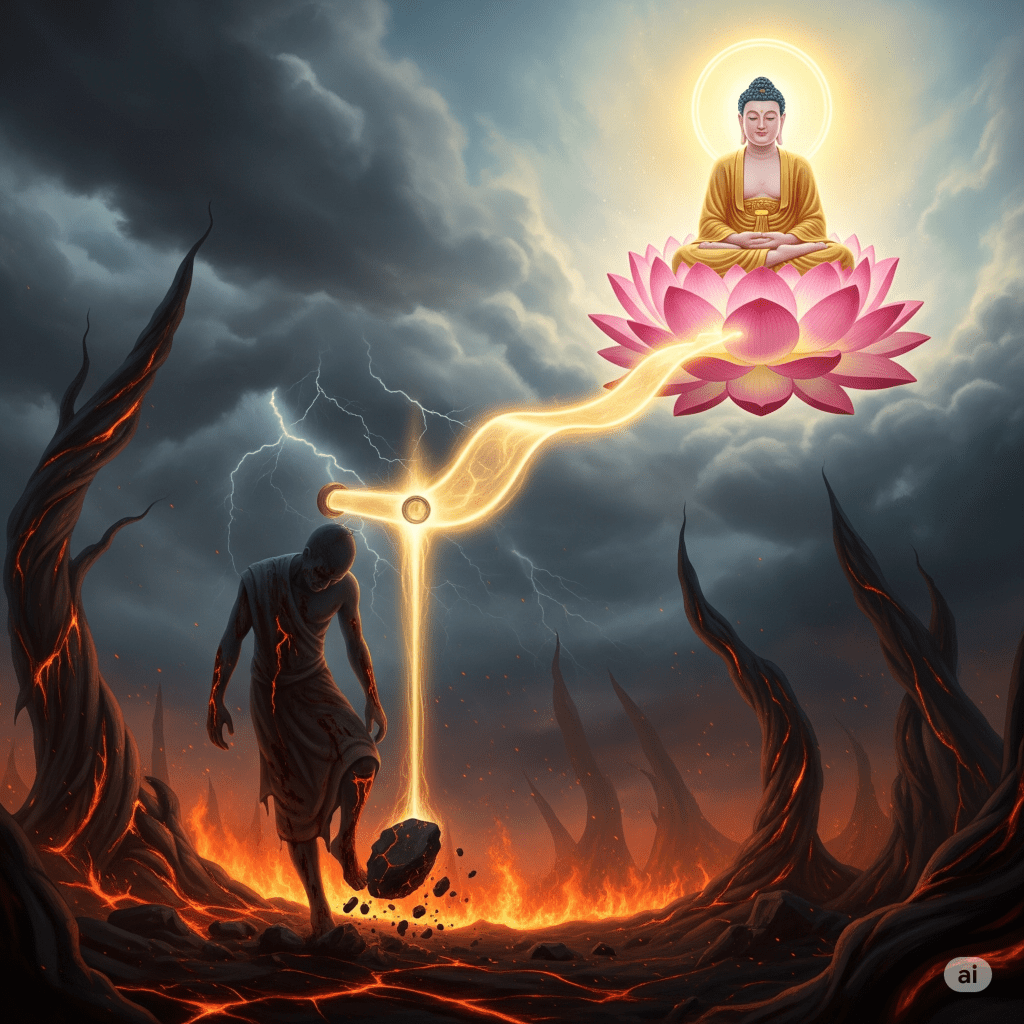
1. Executive Summary This briefing examines the paradoxical concept of Devadatta’s enlightenment, a central tenet in the Lotus Sutra and Nichiren’s philosophy. Devadatta, cousin and notorious adversary of Shakyamuni Buddha, committed two of the five “Anantarika-karma” (grave offenses) and was traditionally condemned to the Avīci Hell, a realm of incessant suffering. However, the Lotus Sutra,…


 Mr. Altig’s Overview of the Wonderful Dharma of the Lotus Sutra