Tag: Lotus Sutra
-
DAY 10: The Prodigal Son Syndrome
THESIS: Many of us secretly rate ourselves “staff, not family” in our own lives. We take the smaller portion because we cannot imagine deserving the estate. LOTUS LOGIC: In the sutra’s parable, a runaway son comes home after decades and cannot recognize his own wealthy father. He takes a job shoveling manure on his own…
-
DAY 9: Sāriputra’s Holy Shock
THESIS: We treat confusion as failure. If you were really wise, you would understand. LOTUS LOGIC: Sāriputra, the wisest disciple in the assembly, hears the One Vehicle and his first response is bewilderment. He says so, out loud, more than once. The Buddha does not scold him. The confusion is the doorway: the old framework…
-
DAY 8: From Monument to Seeker

THESIS: We chase “arrival”: the title, the degree, the finished self. Then we get there and feel strangely hollow. Done. LOTUS LOGIC: The Lotus Sutra opens by performing surgery on its own saints. The great Arhats, the ones who had completed the path, are told their completion was a resting place, not the destination. Then…
-
DAY 6: Radical Immanence

THESIS: We sort the world into sacred and ordinary. Temple and traffic. Sunday and Monday. LOTUS LOGIC: The sutra’s “True Aspect of All Phenomena” refuses the sorting. Every moment of your ordinary Tuesday is reality exactly as it is, fully endowed, nothing missing. Tiantai masters counted three thousand realms inside a single thought-moment. Your bad…
-
Protection Is Not a Shield
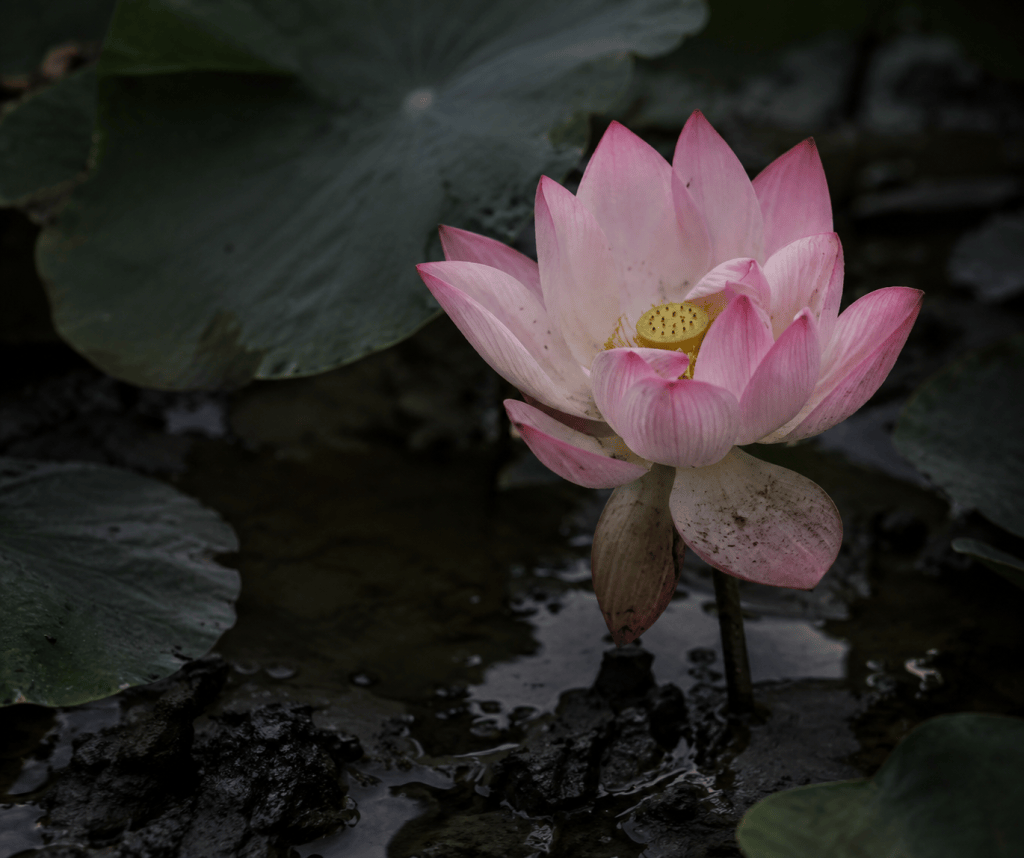
The Lotus Sutra promises protection to those who receive and keep it: bodhisattvas, heavenly kings, rescue from fire and flood. To a modern ear that sounds like superstition. It is closer to botany. The Sanskrit rakṣaṇa and the Chinese 護 (hu) do not mean a force field — they mean guarding, sustaining, holding a practitioner…
-
Buddha-Nature, Explained Without the Jargon

You have probably heard, more than once, that you already have Buddha-nature. That you are “already a Buddha, you just don’t know it yet.” It is one of the most repeated lines in all of Mahāyāna Buddhism, and one of the foggiest. Almost no one says what it actually means. It drifts past in a…
-
What Does Enlightenment Actually Mean? A Four-Minute Overview
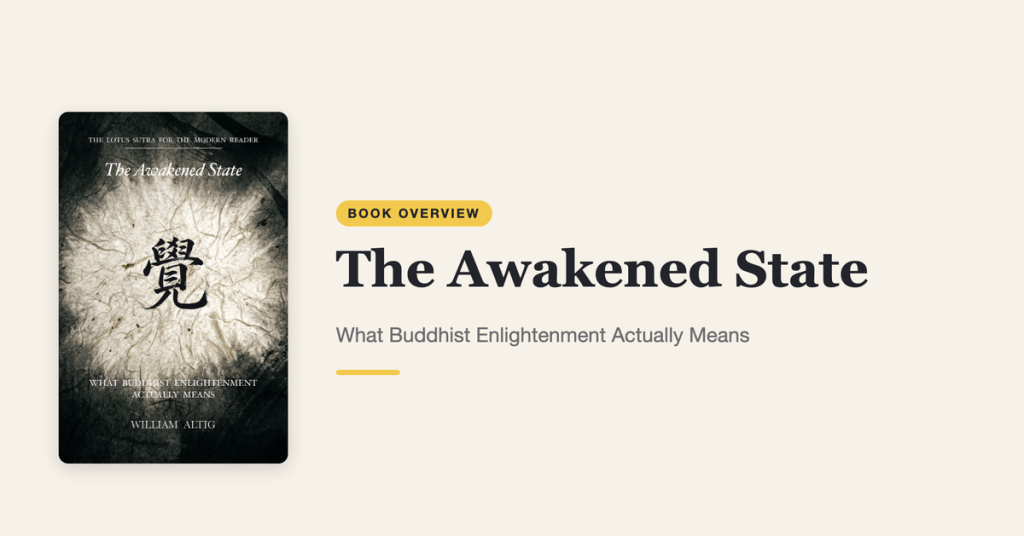
Over the past month I have been posting a four-part video series drawn from The Awakened State: What Buddhist Enlightenment Actually Means: the maps and the territory, the nature of what we are, the body that knows, and the practice of awakening. Those were the parts. This is the whole: a four-and-a-half-minute overview of the…
-
Sudden OR Gradual? The Tiantai Answer | The Awakened State (Part IV) #Shorts
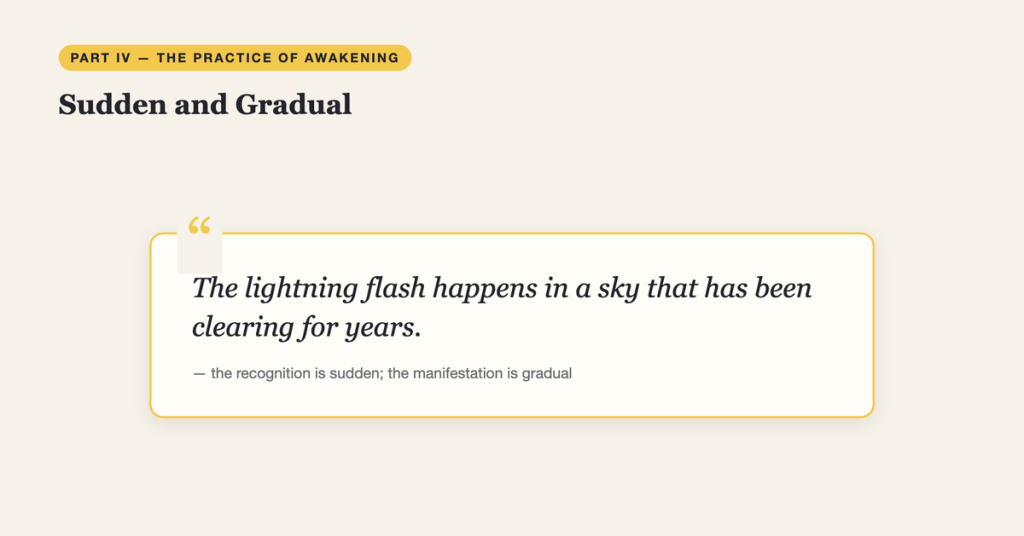
The last of the four parts drawn from *The Awakened State: What Buddhist Enlightenment Actually Means*. You have read the maps. This is where you begin to walk. Practice has two wings. Stillness moves the wood: it clears the space. Insight uproots the tree: it severs the root. Neither wing alone finishes the work. Then…
-
Does Buddhism Believe in a Soul? The Nirvāṇa Sūtra’s Surprising Answer

If you know one thing about Buddhism, it’s probably this: there is no soul. No permanent self. The teaching is called anattā (Pali) or anātman (Sanskrit), non-self, and it’s the line that separates Buddhism from almost every other religion. Hinduism has the ātman; Christianity has the soul; Buddhism, famously, has neither. What you call “you”…
-
Enlightenment Is Embodied | The Awakened State (Part III) #Shorts
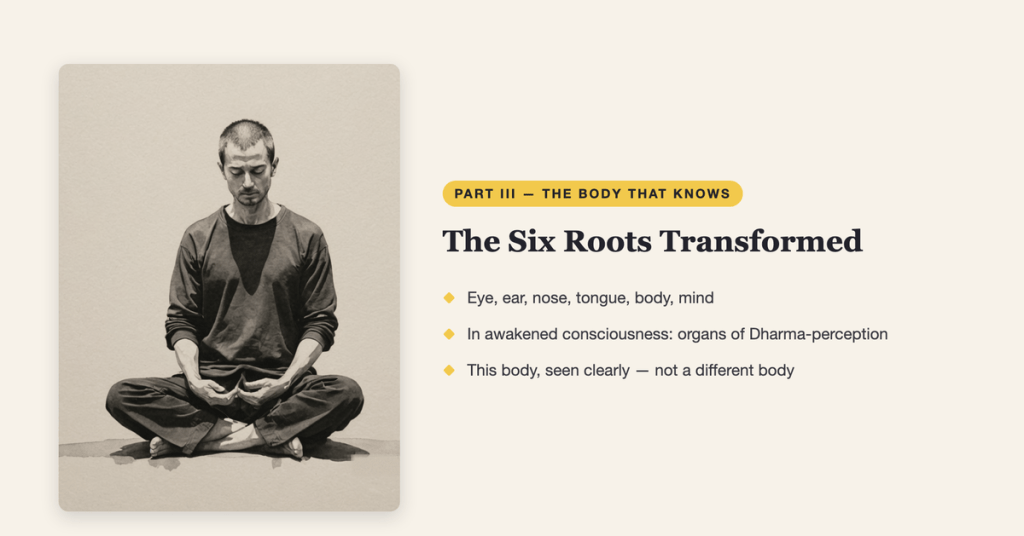
Part three of the four-part series drawn from *The Awakened State: What Buddhist Enlightenment Actually Means*. This one is about the body. There is an old habit of treating awakening as an escape from the body: leave the flesh behind, and something purer is waiting on the other side. The Lotus tradition does not read…

