Tag: East Asian Buddhism
-
5 Surprising Lessons from an Ancient Bodhisattva on How to Face an Overwhelming World
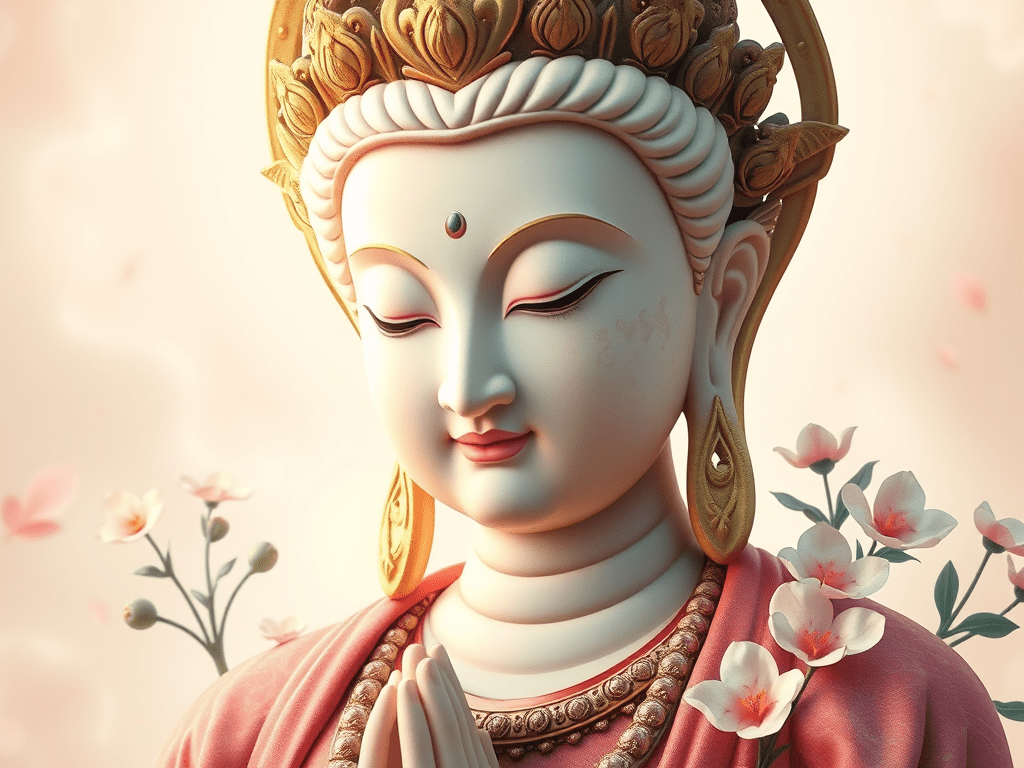
It is a deeply familiar weight in our modern age: we are confronted daily with a seemingly endless tide of global problems, and in the face of such overwhelming need, we feel crushingly inadequate. We look at the scale of what is necessary and, as one ancient text observes, come to “believe that we are…
William Altig
Abhaya, Amitabha Buddha, Anatta, Avalokitesvara, Bodhicitta, Bodhisattva, Bodhisattva vow, Buddhist Compassion, Buddhist deity, Buddhist Ethics, Buddhist iconography, Buddhist meditation, Buddhist Philosophy, Buddhist practice, Buddhist psychology, Buddhist Symbolism, Buddhist teachings, Buddhist vows, Buddhist Wisdom, Chapter 25 Lotus Sutra, Chenrezig, Chinese Buddhism, comparative religion, Compassion, compassionate action, dealing with suffering, dependent origination, East Asian Buddhism, emptiness, fearlessness, gender in Buddhism, Goddess of Mercy, Guanyin, helping others, interconnectedness, kannon, karuna, Kumarajiva, Lotus Sutra, Mahayana Buddhism, mindfulness practice, Non-self, oceanic vow, overcoming despair, prajna, pratityasamutpada, Pure Land Buddhism, religious studies, Shantideva, Skillful Means, spiritual hope, Spiritual Transformation, Sunyata, thousand-armed Avalokitesvara, Upaya, wisdom and compassion -
The Body That Burns Without Burning

They said the old saint lit himself on fire, Twelve hundred years of light, arms ablaze, And I thought: how can I match that pyre With my small hands and ordinary days? The Sutra promises we all can wake Right here, right now, in skin and bone, But if the price is everything I break—…
William Altig
body as temple, Buddhist modernism, Buddhist Poetry, contemplative verse, contemporary religious poetry, daily devotion, doctrinal poetry, East Asian Buddhism, embodied practice, endurance, Enlightenment, faith under persecution, Gratitude, human resilience, Karmic Transformation, Lotus Sutra, Mappō, meaning in suffering, metaphysical poetry, mundane as sacred, Nichiren Buddhism, Perfect Offering, perseverance, philosophical poetry, religious philosophy, sacred ordinary, sacrifice reinterpreted, Shikidoku, Soteriology, Spiritual Practice, Spiritual Resilience, spiritual struggle, suffering and transformation, theodicy -
The Dragon Girl’s Enlightenment: A Briefing on Universal Buddhahood and the Challenge to Tradition in the Lotus Sūtra

Date: August 8, 2024 Subject: Analysis of the Dragon Girl’s Narrative in the Lotus Sūtra‘s Chapter Twelve Purpose: This briefing provides a detailed review of the main themes and most important ideas presented in the provided sources regarding the Dragon Girl’s story in the Lotus Sūtra, highlighting its significance for Mahāyāna Buddhist doctrine, particularly concerning…
William Altig
Avalokiteśvara, Bodhi, Bodhisattva Mañjuśrī, Buddhism, Buddhist art, Chapter Twelve, Devadatta, Dharma, Dragon Girl, Dragon King Sāgara, East Asian Buddhism, Emptiness (Śūnyatā), Enlightenment, Expedient Means (Upāya), Female Buddhahood, Five Obstacles, Gender Transformation, Guanyin, Henjō Nanshi, Instantaneous Enlightenment, Lotus Sūtra, Mahāyāna Buddhism, Meditation, Nichiren Buddhism, Nichiren Daishonin, Nāga, One Vehicle (Ekayāna), Patriarchal Prejudices, Philosophy, Precious Jewel, Religion, Sokushin Jōbutsu, Spiritual Equality, Spirituality, Spotless World of the South, Subitism, Sudden Enlightenment, Sudhana, Three Thousand Realms in a Single Moment of Life (Ichinen Sanzen), Tiantai School, universal salvation, Wisdom Accumulated, Zhiyi, Śāriputra